Honesty about status
If a plan slips, it is reported when it becomes visible, together with options.
KOP BUILD exists to make software a dependable part of how a business operates. We take responsibility for the whole path — understanding the process, designing the system, building it, proving it works and keeping it healthy.

Company overview
We are a software engineering company working across custom application development, web and mobile products, cloud infrastructure, DevOps, integration, quality assurance, security consulting and product design. Our engagements are usually long-lived: a system we design is a system we expect to keep improving.
We deliberately keep the scope of our practice coherent rather than broad. Every discipline we offer supports the same goal — a working system that the client's own team can understand, operate and extend.
Mission
Our mission is to remove uncertainty from software delivery. That means honest scoping, visible progress, tested releases and systems whose behaviour under load and under failure is known in advance rather than discovered in production.
Vision
We want the software we build to still be a good decision years later: documented, maintainable, economical to run and free of dependence on any single vendor or individual — including us.
Engineering philosophy
A requirement is not understood until we can describe the process it serves and the consequence of getting it wrong. Discovery is engineering work, not paperwork.
Established tools with strong support and a wide talent pool reduce risk far more than the newest framework improves velocity.
Small increments, automated tests and reversible deployments mean the system can keep changing safely for years.
Logs, metrics, alerts and runbooks are part of the deliverable. Software that cannot be observed cannot be trusted.
Architecture decisions are recorded with context and trade-offs so future engineers inherit reasoning, not guesswork.
If a plan slips, it is reported when it becomes visible, together with options.
Decisions rely on measurement: profiling, usage data, error rates and cost.
One backlog, one repository, one environment definition. No shadow processes.
Nothing reaches production without review and an automated verification path.
People and services receive only the access they need for the task at hand.
Refactoring, upgrades and documentation are planned work, not spare-time work.
Collaboration approach
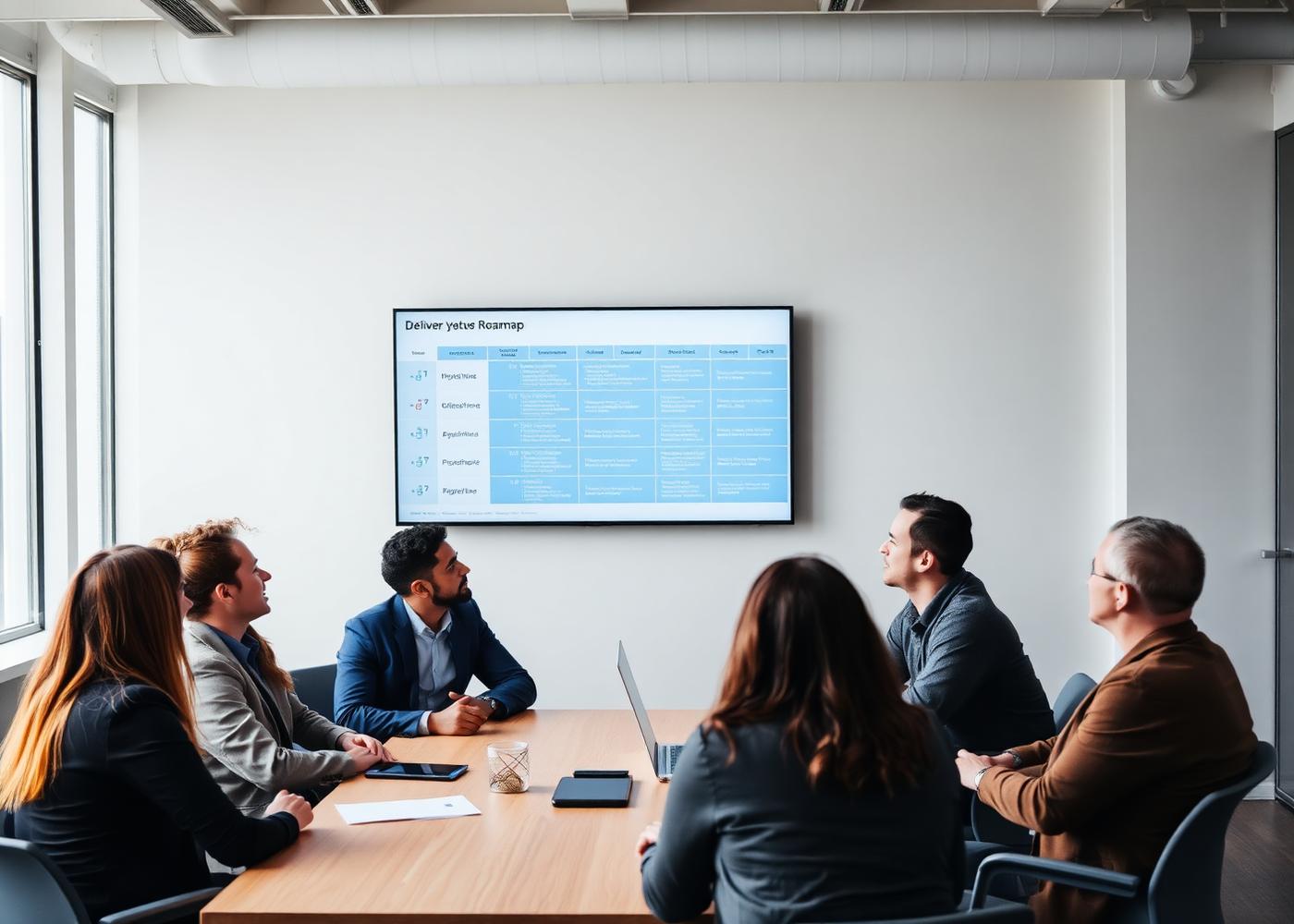
Our engineers join the client's planning rhythm, use the client's repositories and cloud accounts where possible, and communicate directly with the people who own the business process. There is no account layer between the client and the team writing the code.
Quality standards
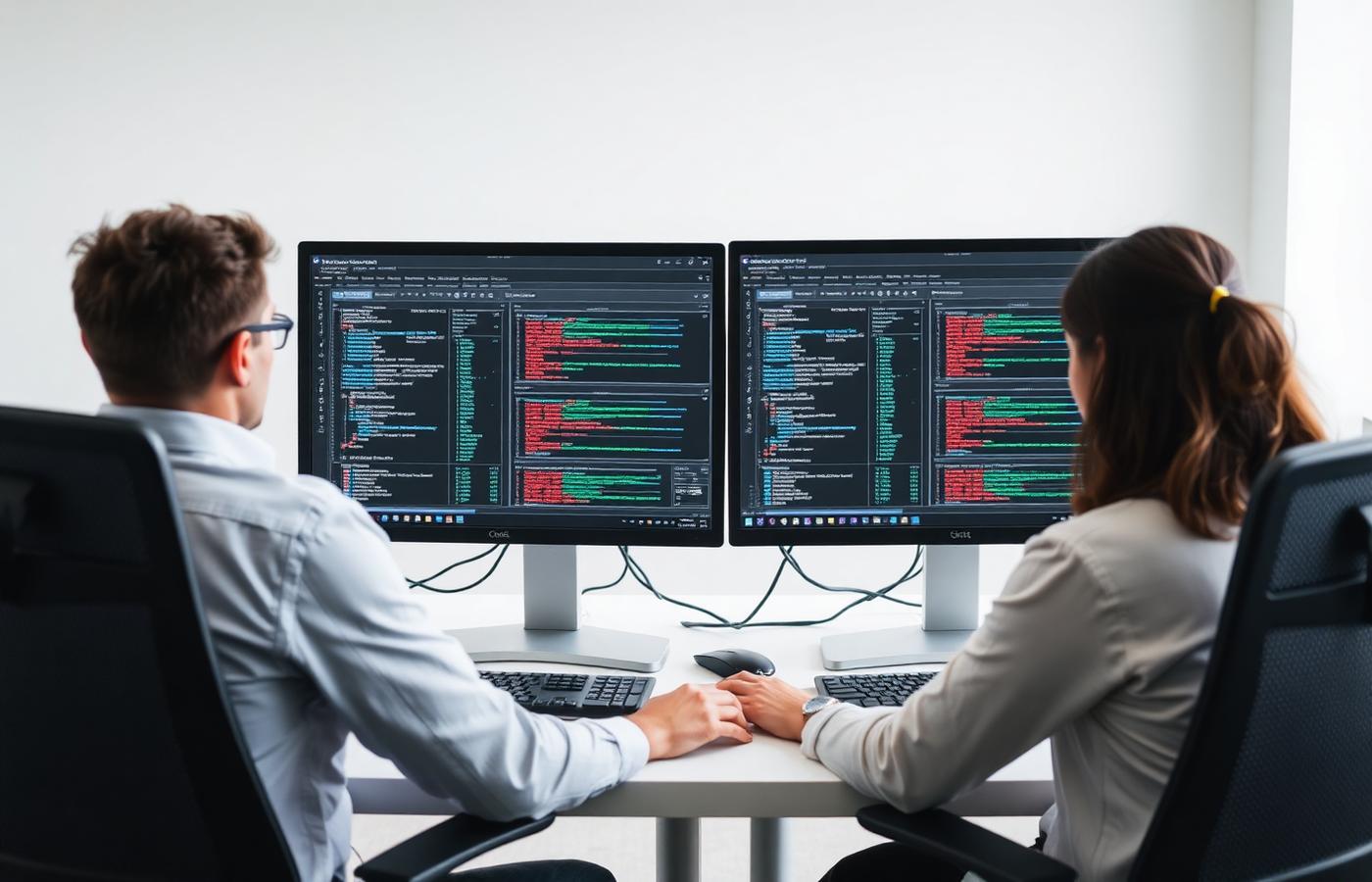
Unit, integration and end-to-end tests run on every change, with meaningful coverage of business rules.
Every change is read by another engineer before it can be merged.
The same infrastructure definition builds development, staging and production.
Response times and front-end metrics are measured against agreed targets.
Keyboard operation, contrast and semantics are verified as part of definition of done.
Each release is checked against the acceptance criteria written before implementation.
Security mindset
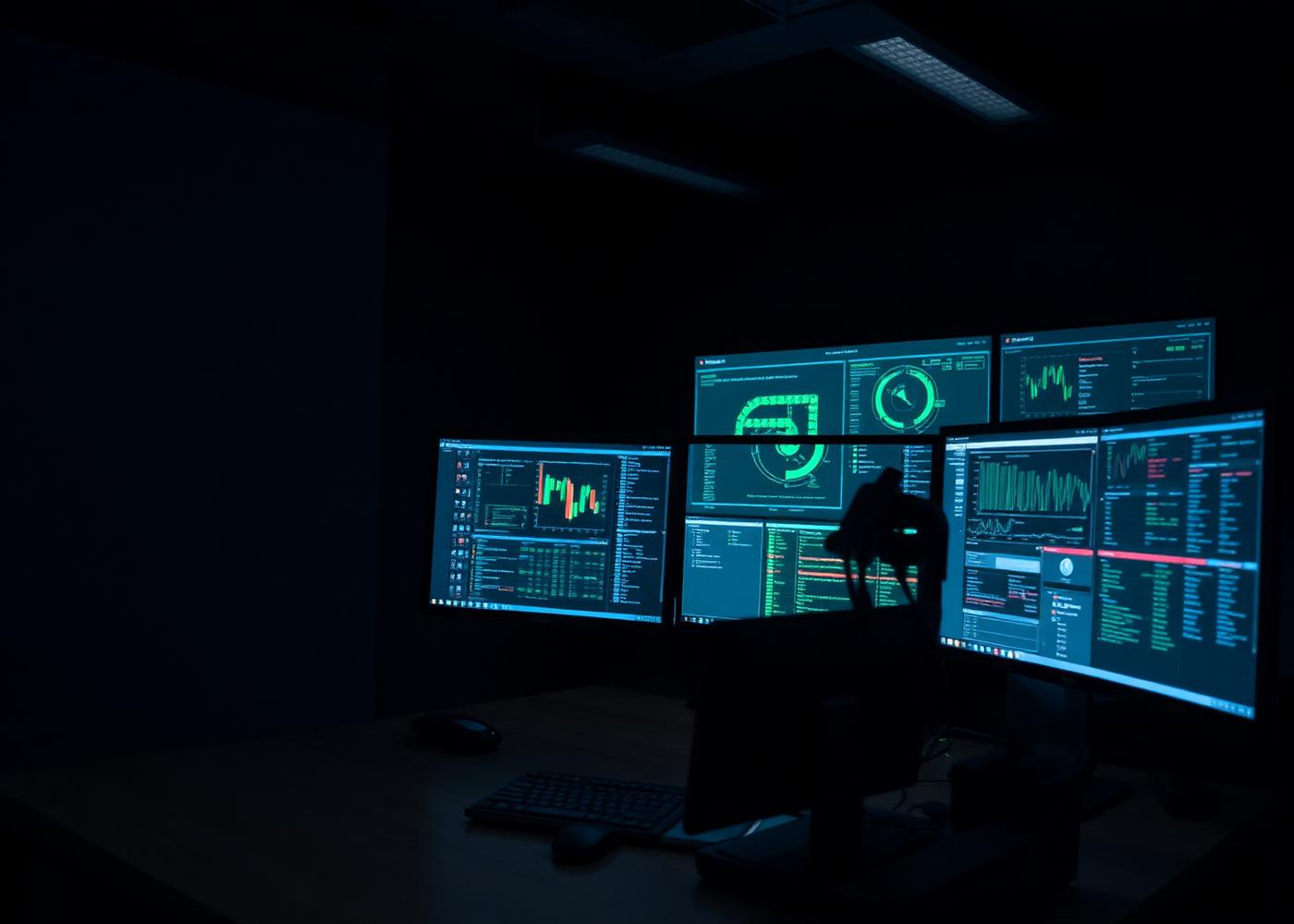
Security work starts with the architecture: what data exists, who may touch it, how identity is proven and what happens when a component is compromised. Controls are then implemented, automated and reviewed as the system evolves.
We collect and retain only what the process genuinely requires.
Credentials live in managed secret stores, never in source control.
Dependencies, permissions and configurations are re-checked as part of routine work.
Team culture
Our culture rewards careful thinking over heroics. Questions are welcome, review is expected, and nobody is penalised for reporting a problem early. Knowledge is shared deliberately so that no part of a system depends on one person's memory.
We also take sustainable pace seriously. Rushed work produces defects that cost more than the time it appeared to save.
Long-term business focus
A release is only the beginning of value. We look at how the system performs in operation: fewer manual steps, lower incident rates, predictable running cost and the ability to add capability without rewriting the foundation.
That perspective shapes our commercial approach too. We would rather build a smaller, correct system and extend it than deliver a large one nobody can maintain.